The Background Music Does Not Dictate the Mood
Background music does not dictate the mood on its own. Learn how pacing, performance, and visible details reshape the same cue’s emotional meaning.
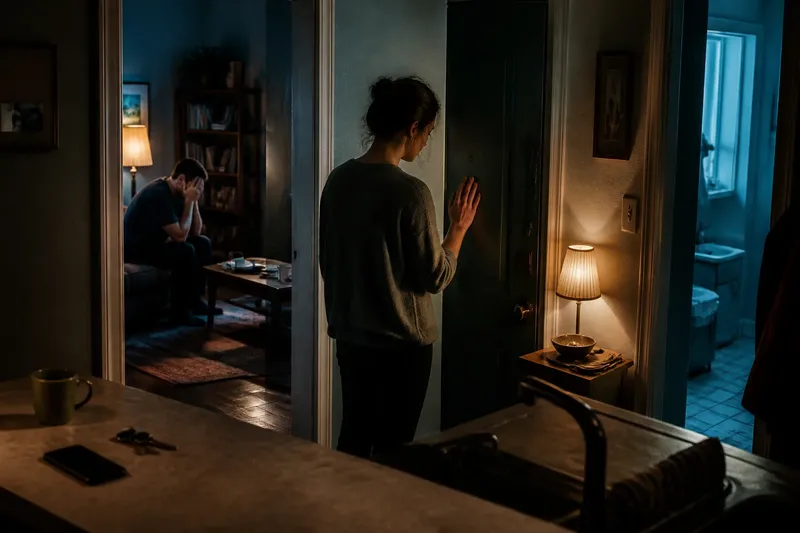
The most common mistake in reading a film score is treating a musical cue as an emotional instruction: minor chords mean sadness, a low drone means danger, and a bright melody means happiness. Background music does not dictate the mood by itself; that shortcut can make a scene’s image and performance seem like mere illustrations of what the soundtrack has already decided.
A cue offers a set of possibilities. Its effect depends on when it begins, how it moves, what the actors do, and what appears on screen. Listen to the same phrase beneath a slow walk and a rushed search, and its meaning can shift from reflective to uneasy without the notes changing.
What music signals
Music gives viewers clues about emotional direction, but a clue is not a fixed translation. A sustained note can feel tender, ominous, or simply unresolved. The surrounding scene helps determine which reading seems plausible.
Musical features still matter. Tempo can suggest urgency or patience; rhythm can make movement feel steady or unstable; instrumentation can lend a sound a familiar color. But those features work as part of a larger scene, not as a codebook with one answer for every cue.
A swelling orchestra might seem to promise triumph. If the image shows someone losing control, the swell can instead feel ironic or frightening. The music has not changed; the visible action has changed what its rise appears to support.
How pacing changes meaning
Pacing includes more than the speed of the music. It also includes how quickly the scene cuts, how long a shot holds, and whether an actor pauses before speaking. When these rhythms align, a cue can make the scene feel cohesive. When they pull apart, the viewer may notice tension or comic awkwardness.
Imagine a fictional scene in which a character stands outside a closed apartment door while a soft piano phrase repeats. If the camera lingers and the character barely moves, the phrase may read as longing. If the scene cuts rapidly between the door, a phone, and the character’s restless hands, the same repetition may feel like mounting impatience. The observable change is not in the notes but in the scene’s pace and behavior.
Timing also shapes expectation. Music that starts before a reveal can prepare viewers to anticipate danger or wonder. A cue that begins after a character reacts may seem to echo the reaction rather than predict it. Even a brief pause can make an entrance feel newly significant.
What performance contributes
Actors give music a human scale. A melody that sounds sentimental in isolation may become awkward when a character avoids eye contact, forces a smile, or keeps busy to dodge a difficult conversation. Their behavior can complicate the cue instead of simply confirming it.
Small gestures matter because they provide evidence the score cannot supply by itself. A relaxed posture may soften an ominous drone. A sudden glance toward an unseen sound may make a gentle melody feel suspicious. The viewer weighs those actions against the musical suggestion, often without consciously naming the conflict.
Performance can also make a cue seem sincere or mocking. If the music grows grand while a character handles an ordinary task with complete seriousness, the contrast may produce humor. If the character appears overwhelmed, the same grandness may instead underline the size of the feeling.
What the image adds
The image supplies concrete details that guide interpretation: a familiar room, an unfamiliar object, an open doorway, or a face held in shadow. These details can agree with the soundtrack or resist it. A warm melody over an empty hallway may feel comforting, eerie, or strangely out of place depending on what the scene has established.
Editing and composition contribute too. A close shot can focus attention on a private reaction; a wide shot can make a person seem isolated in a large space. A cut to an unexpected detail may redirect the cue toward suspicion, while a sustained view can encourage a slower, more contemplative reading.
Color alone does not settle the mood, and neither does a musical instrument. A bright room can host a painful exchange; a dark image can be calm rather than threatening. Look for how details relate: what the camera emphasizes, what the character notices, and whether the score seems to follow or contradict those choices.
Why can the same cue feel different?
Does minor-key music always sound sad?
No. A minor-key passage may sound tense, solemn, playful, or mysterious, depending on its rhythm, tone, and scene. The label describes a musical feature, not a complete emotional verdict.
Can cheerful music make a scene unsettling?
Yes, especially when its buoyant character clashes with disturbing images or restrained performances. The gap can make the music seem insensitive, ironic, or deliberately unnerving.
Does silence have a fixed meaning?
No. A sudden lack of music can draw attention to a sound, leave a reaction exposed, or create room for a pause. Its effect depends on what the scene has led viewers to expect.
How can I tell what the cue is doing?
Notice when it starts and stops, then compare its movement with the cuts, gestures, and visible events. Ask whether it supports the action, anticipates it, or pulls against it.
A useful listening pass
To examine a scene without turning viewing into a hunt for hidden rules, separate the elements for a moment. First notice the cue’s pace and texture. Then watch the performance and identify one specific gesture or pause. Finally, consider what the image makes prominent. Return to the full scene and listen for how those pieces meet.
Keep more than one reading open if the evidence is mixed. A cue can offer tenderness while the image introduces doubt; that unresolved combination may be the scene’s point. Instead of asking, “What emotion does this music mean?” ask, “What does this music lead me to expect, and what does the scene do with that expectation?”
That question is useful beyond a single film. When background music seems to announce a mood, check the pacing, performance, and visible details before accepting its first suggestion. The score may be guiding your attention, but the scene gives that suggestion its meaning.